Featured

Ways Debt Relief Safeguards Your Assets Fundamentals Explained
Table of Contents
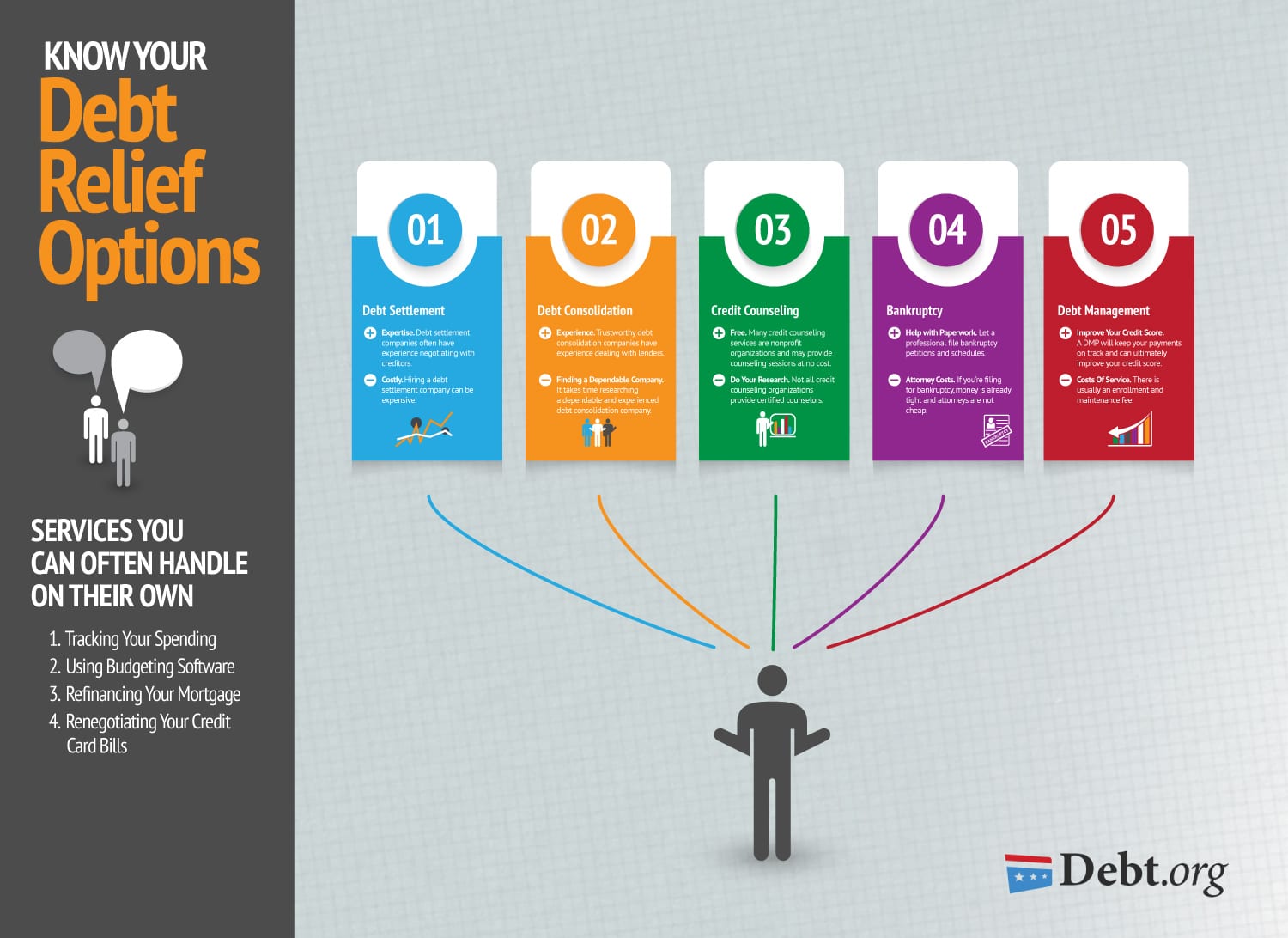
That frees up money in the short-term, and you might have 3 to 4 years to save toward the settlement amount. Very dangerous to credit report, mostly as a result of missed settlements and an adverse "resolved" mark that could remain on your credit score record for as much as 7 yearsMay be just alternative if other alternatives (financial obligation loan consolidation, equilibrium transfer charge card, debt forgiveness) aren't possibleTypically needs a cost to the 3rd party, which could offset some or all of the cost savings from financial debt settlementMay help you avoid bankruptcy if you have actually missed out on numerous paymentsNot all financial institutions collaborate with financial debt settlement business Debt mercy may be best for you if you are experiencing a monetary hardship that makes it virtually difficult to pay for your financial debt equilibriums.
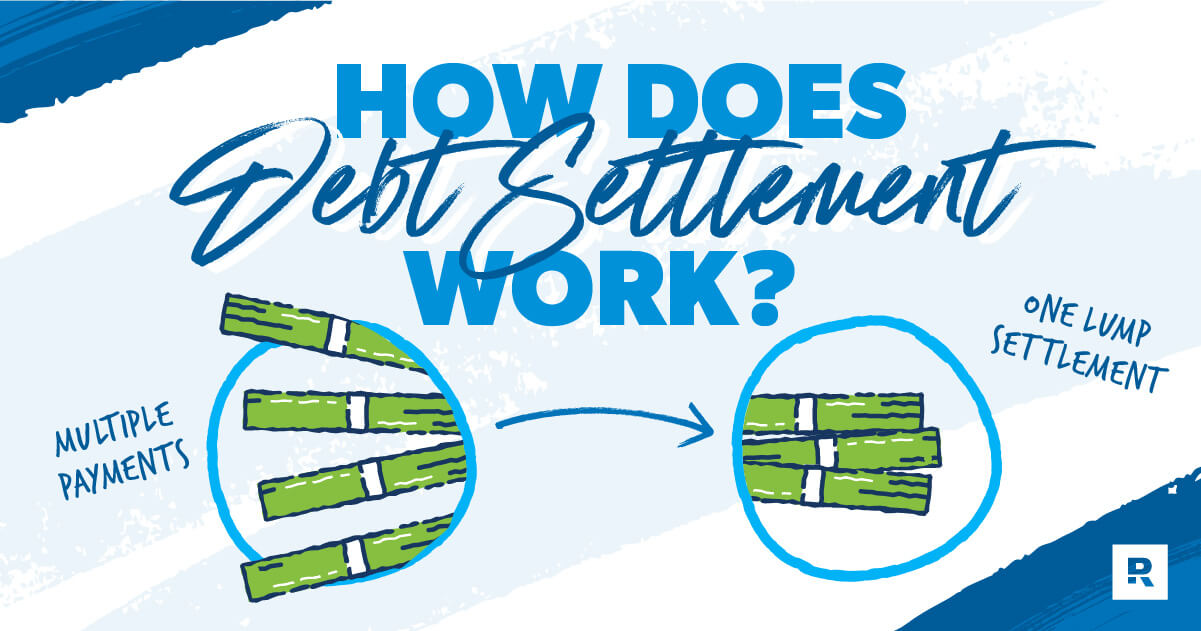
/images/2025/11/17/how_does_debt_settlement_work_.png)
With a DMP, you make one month-to-month repayment to the credit report counseling firm. Those funds are then dispersed to lenders of your unsafe financial debts, such as bank card and installment fundings. The company functions with your financial institutions to reduce rates of interest or forgo charges, however some lenders may refuse such giving ins.
A financial obligation combination funding combines your qualified financial obligations into one new financing. It can assist you pay down debt if you're able to safeguard a loan rate that's less than the average rate of the accounts you're settling. Nevertheless, you must avoid from racking up debt on those newly cleared accounts or your financial obligation might expand also greater.
These cards typically use a 0% passion initial duration of approximately 21 months. That gives you plenty of time to remove or dramatically lower your balance while making interest-free settlements. For some people dealing with impossible debt, personal bankruptcy might be the only way to quit collection procedures and lawfully fix their debts.
How Emerging Laws That Will Transform Bankruptcy Counseling : APFSC’s Guidance for Financial Relief Procedures can Save You Time, Stress, and Money.
You may require it if your creditor or a collection company ever attempts to gather on the debt in the future. The letter might show you don't owe what the collection firm's records reveal. Yes, for the most part, the internal revenue service thinks about forgiven financial debt as taxed earnings. When a lender forgives $600 or even more, they are required to send you Kind 1099-C.
Debt mercy or negotiation generally injures your credit scores. Anytime you work out a financial obligation for less than you owe, it might show up as "worked out" on your credit rating report and affect your credit score for seven years from the day of settlement. Your credit can additionally go down considerably in the months leading to the forgiveness if you fall back on settlements.
The Pros and Drawbacks of Bankruptcy Can Be Fun For Anyone
Tax financial debt compromise programs Tax obligation debt happens when the amount of tax obligations you owe exceeds what you have actually paid. This scenario commonly arises from underreporting earnings, not filing returns on schedule, or inconsistencies discovered during an IRS audit. The repercussions of accumulating tax obligation financial obligation are severe and can consist of tax obligation liens, which give the IRS a lawful case to your building as safety and security for the financial debt.
Higher rate of interest prices on available debt. Wages and Financial institution Accounts IRS can levy (seize) earnings and checking account to satisfy the debt. Lowered revenue and interruption of vital financial processes. Home Seizure In extreme instances, the internal revenue service can take and market home to cover the debt. Loss of useful possessions and possible displacement.
Social Preconception Encountering lawful activity from the IRS can carry social preconception. Work Opportunities A bad credit scores rating due to exhaust debt can limit employment possibilities. Federal government Advantages Tax financial debt may influence qualification for federal government benefits, such as Social Protection and Medicaid.
The Basic Principles Of How Much Debt Counseling Typically Charge
The OIC takes into consideration numerous factors, consisting of the taxpayer's revenue, expenditures, property equity, and ability to pay. Efficiently negotiating an OIC can be intricate, requiring a detailed understanding of the IRS's standards and a strong debate for why your offer straightens with your capability to pay. It is necessary to note that not all applications are approved, and the process needs detailed financial disclosure.
The IRS assesses your total economic scenario, including your earnings, expenditures, asset equity, and ability to pay. You have to likewise be present with all filing and settlement requirements and not remain in an open insolvency case. The internal revenue service likewise considers your conformity background, reviewing whether you have a record of timely filing and paying tax obligations in previous years.
More About Actual Experiences from Bankruptcy Counseling Users
The application process for an Offer in Concession entails several detailed steps. You should finish and submit Internal revenue service Form 656, the Offer in Concession application, and Type 433-A (OIC), a collection details statement for people. These types call for comprehensive financial information, including information regarding your income, financial debts, costs, and possessions.
Back tax obligations, which are overdue taxes from previous years, can considerably increase your total internal revenue service debt if not resolved immediately. This financial debt can accrue rate of interest and late repayment charges, making the initial amount owed much larger with time. Failure to repay taxes can lead to the IRS taking enforcement activities, such as providing a tax lien or levy versus your residential property.
It is necessary to address back tax obligations asap, either by paying the full quantity owed or by preparing a layaway plan with the internal revenue service. By taking aggressive actions, you can prevent the build-up of added interest and penalties, and protect against more aggressive collection activities by the internal revenue service.
One typical reason is the idea that the taxpayer can pay the complete amount either as a lump sum or via a layaway plan. The internal revenue service also considers the taxpayer's revenue, expenses, possession equity, and future earning capacity. If these elements show that the taxpayer can pay for to pay greater than the used quantity, the IRS is most likely to reject the deal.
7 Easy Facts About Why Professional Guidance Can Help Shown
It is critical to give precise and total details in your application and to talk to a tax obligation specialist to improve the possibilities of approval. Taking care of IRS financial debt can be complicated and daunting. Tax obligation experts, such as Certified public accountants, tax obligation attorneys, or signed up agents, can give very useful assistance. They have the experience to browse the complexities of tax obligation regulation and internal revenue service procedures.

Table of Contents
Latest Posts
What The Emotional Aftermath of Debt: Integrating Mental Health into Financial Counseling Typically Charge for Dummies

Facts About APFSC Method with Families Uncovered

Excitement About Staying Safe from Unethical Operators
More
Latest Posts
What The Emotional Aftermath of Debt: Integrating Mental Health into Financial Counseling Typically Charge for Dummies
Facts About APFSC Method with Families Uncovered
Excitement About Staying Safe from Unethical Operators